The ART and student visa reviews: now in the rear-view?
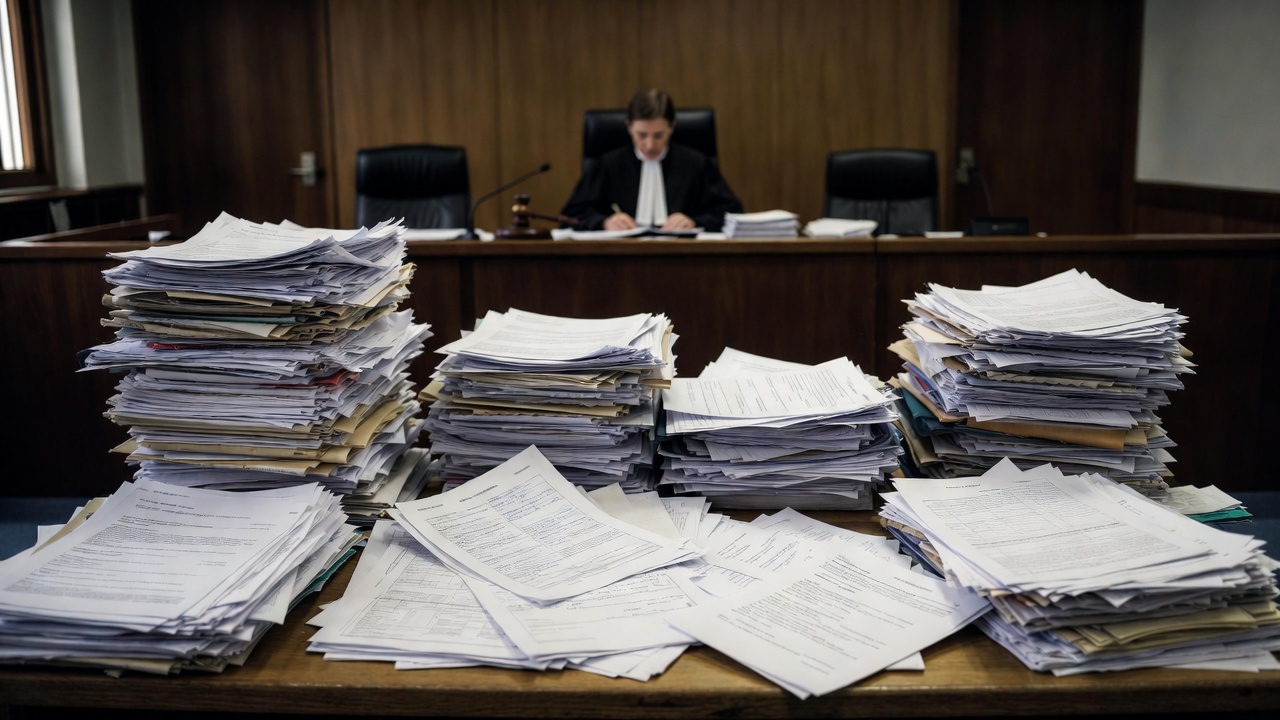
With the Administrative Review Tribunal and Other Legislation Amendment Act 2026 (Act No. 3 of 2026) receiving Royal Assent on 9 February 2026, the ART will gain expanded discretion regarding hearings. In the case of student visa hearings, this will mean a mandatory requirement to decide without holding oral hearings.
Since being established in 2024 by the Albanese Labor Government, the Administrative Review Tribunal (ART) has seen student visa refusal appeals lodged with it surge by nearly 1500% in recent years (from around 2000 in 2022-23 to over 32,000 in 2024-25), leading to an unsustainable backlog as described by ART Principal Registrar Michael Hawkins.
These delays have reportedly created incentives for some non-genuine applicants to lodge appeals primarily to extend their stay, potentially undermining the integrity of the Genuine Student (GS) requirements.
What was initially promoted as a comprehensive fix to a sluggish system has instead highlighted ongoing challenges. Touted as a replacement for the former Administrative Appeals Tribunal (AAT), the ART, despite the overhaul, has encountered similar resourcing and backlog issues that reforms have struggled to fully mitigate.
On 3 November 2025, the House of Representatives passed the Administrative Review Tribunal and Other Legislation Amendment Bill 2025, which was referred to the Legal and Constitutional Affairs Committee for inquiry. The bill, which passed both Houses by 5 February 2026 and received Royal Assent on 9 February 2026 (becoming Act No. 3 of 2026), seeks to implement changes to the review system for specified classes of visas, primarily student visas.
The relevant provisions commence on a proclaimed date or automatically by 9 August 2026 if not earlier, and we expect a potential March 2026 practice directions rollout to see these amendments coming into effect.
These changes include expanding the ART's discretion to decide matters without an oral hearing, replacing it with an invitation for applicants to submit written submissions, which are then assessed on their merits, essentially, decisions made "on the papers”. As noted in the Explanatory Memorandum, this new discretion is expected to be most appropriately exercised in circumstances such as where a proceeding involves straightforward facts and issues, or objective criteria, suited to being considered on the basis of written materials.
While these reforms aim to create a streamlined, mandatory written-only pathway that eliminates the right to an oral hearing, what this will look like in reality is perhaps not so rosy for an applicant. Unlike the standard ART review process, where applicants could appear in person, give evidence, cross-examine, or clarify issues verbally, these amended procedures mean the Tribunal can decide the matter solely based on written materials, without ever holding a hearing.
If submissions are incomplete or miss the point, the decision could be made on the existing record (including the Department of Home Affairs' reasons and any prior evidence). This could make it harder for applicants to overturn refusals if key issues (like credibility or personal circumstances) aren't fully conveyed in writing, potentially leading to more decisions upholding the original refusal decision.
What an "on the papers" process looks like is unclear, but likely means reviewing all written evidence, the refusal reasons, and submissions, without assessing demeanour, credibility through questioning, or allowing real-time explanations. Critics argue this is likely to disadvantage applicants with complex personal circumstances where oral advocacy could make a difference.
While decisions could come faster, it will also present less opportunity for persuasion. No appeal right to Federal Court exists on the lack of hearing itself, though judicial review is possible for jurisdictional errors like before.
Overall, this shifts the emphasis heavily toward strong, well-prepared written advocacy, ideally with migration agent or lawyer assistance, to compensate for the absence of oral hearings.
Merits review processes in tribunals like the ART have traditionally helped lower barriers that applicants often face in the formal court system, such as the need for highly technical legal submissions or rigid procedural rules, by allowing more flexible, accessible advocacy, including oral hearings. These amendments, by mandating written-only decisions for student visa matters, risk reversing that accessibility and reintroducing obstacles, particularly for those whose cases hinge on credibility, personal circumstances, or nuanced explanations best conveyed verbally.
From the government's perspective, these reforms aim to address an "extraordinary bottleneck" and reduce incentives for non-genuine appeals, as stated by ministers like Andrew Giles and Matt Thistlethwaite. However, dissent in the House and from stakeholders, including Greens Senator David Shoebridge and community legal groups like the Asylum Seeker Resource Centre, has highlighted concerns that the amendments could erode applicants' access to natural justice. Critics have drawn comparisons to "rearranging the deck chairs on the Titanic”, arguing that the bill fails to tackle core issues (such as in the initial visa application process) and may create larger problems down the line.
Media reports have underscored staff shortages, with the ABC reporting in October 2025 that the ART is more than 100 members short. As the ART handles reviews across a wide range of government decisions, from citizenship and veterans' entitlements to the National Disability Insurance Scheme, balancing streamlined operations with transparency and procedural fairness remains a complex challenge.
In a Senate estimates hearing in October 2025, ART Principal Registrar Michael Hawkins noted that the tribunal's funding is based on demand from the previous year, leading to lags in responding to sudden caseload increases. The government has emphasised a shift toward a transparent, merit-based appointment process to avoid the political appointee issues that plagued the AAT, though progress has been slower than hoped.
One glaring statistic is the high rate of student visa reviews, around 44-50%, resulting in the original decision being set aside, often leading to a visa grant upon reconsideration by the Department of Home Affairs. This elevated reconsideration rate points to potential flaws in the initial decision-making processes at Home Affairs, contributing significantlyto the overall strain on the system.
As of late 2025, the backlog for student visa cases stood at over 48,000, with median processing times stretching to about 1 year and 4 months. This surge can be attributed to factors like the post-pandemic rebound in international student enrolments, higher onshore refusal rates (now 20-30%), and policy shifts such as the introduction of the GS test and restrictions on onshore visa switches.
Looking ahead, as these "on the papers" changes roll out, the quality and completeness of your written submissions will be more critical than ever, there's no second chance to clarify issues verbally or demonstrate credibility in person. At West Aussie Migration, our registered migration agent specialises in preparing robust, evidence-based submissions tailored to ART reviews, with a proven track record of success in student visa and other merits appeals. We focus on crafting compelling written cases that address Genuine Student criteria, overcome refusal grounds, and maximise your chances of a favourable outcome, even in a streamlined, hearing-free environment.
Contact us today for a confidential assessment; getting your submission right the first time could make all the difference in navigating this evolving system.
.png)