Why Goldfields Workers Should Apply for 186 PR Now – Before the WA DAMA Transition Closes the Door
The Goldfields Designated Area Migration Agreement (DAMA) in Western Australia has long provided a valuable pathway for skilled workers in the region to achieve permanent residency through the Employer Nominated Scheme (subclass 186) visa under the labour agreement stream. However, with the Goldfields DAMA set to transition into the broader WA DAMA effective 30 June 2026, a significant opportunity may soon close for certain applicants.
Key Advantage of the Current Goldfields DAMA for Subclass 186 Pathway
Under the existing Goldfields DAMA (a regional labour agreement), eligible workers who have been working in their nominated occupation in the Goldfields region for at least two years can often access a streamlined pathway to the subclass 186 visa (via the Labour Agreement stream).
This typically applies to those sponsored via related visas like the subclass 482 (Skills in Demand/TSS) with concessions on work experience, age, and other requirements tailored to address regional shortages.
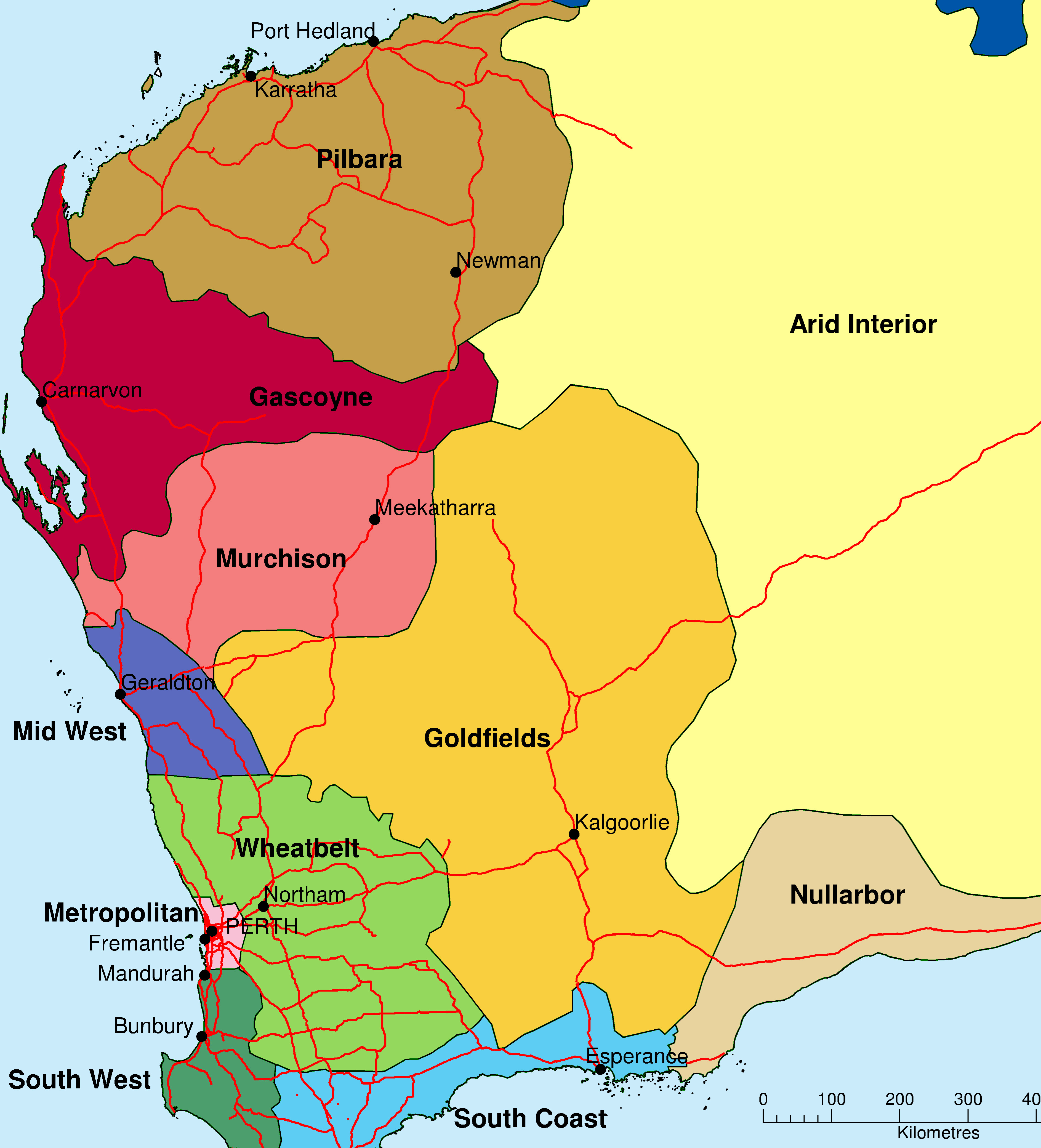
This two-year regional work requirement in the nominated role has made the Goldfields DAMA particularly attractive for workers already established in areas such as Kalgoorlie-Boulder, Coolgardie, Esperance, and surrounding shires. It offers a direct route to permanent residency without needing to hold a specific prior visa tied exclusively to the labour agreement, focusing instead on demonstrated regional employment and contribution.
WA DAMA: Stricter Conditions Ahead?
In contrast, the WA DAMA (the statewide agreement covering all Western Australia imposes stricter conditions for accessing the subclass 186 (Labour Agreement stream) pathway. To be eligible for endorsement and nomination under this framework:
• The nominated worker must hold a subclass 482 visa granted specifically under the WA DAMA labour agreement.
• They generally need to have lived and worked in regional Western Australia for two years (or metropolitan Perth for three years), with the occupation connected to their prior experience in WA.
This means the pathway is more conditional on having entered via the WA DAMA's specific temporary visa stream first, rather than broader regional work experience alone.
Why This Matters Now: A Time-Sensitive Opportunity
The transition of the Goldfields DAMA into the WA DAMA on 30 June 2026 means new labour agreements or variations under the standalone Goldfields framework will likely no longer be available after that date (though existing agreements and visa holders will continue under their current terms for the duration, often up to five years).
If you're currently working in the Goldfields region on a relevant visa (ie subclass 482 under the Goldfields DAMA) and have accumulated two years in your nominated occupation, this could be a prime window to pursue a subclass 186 nomination under the existing Goldfields labour agreement stream—before the more restrictive WA DAMA rules fully apply.
Unconfirmed at this stage is whether the Goldfields DAMA concessions will be brought into the WA DAMA scheme as well.
The current cutoff for new endorsements under Goldfields DAMA is 22 May 2026.
Recommendations
• Review your visa history and work experience against the Goldfields DAMA occupation list and concessions.
• Get in contact with an experienced migration agent that deals with DAMA including Goldfields DAMA regularly, such as West Aussie Migration, who can review your case and give tailored advice to your situation.
• Consult with your employer about nomination possibilities under the current agreement.
• Monitor official updates from the WA Department of Training and Workforce Development or the Department of Home Affairs, as details can evolve.
This distinction highlights why the current Goldfields DAMA remains a key opportunity for faster or more flexible access to permanent residency in regional WA—act soon to make the most of it before the statewide framework takes over.
.png)